Showing posts with label Heart Healthy. Show all posts

Tuesday, November 3, 2015

Are red meat and processed meats really that bad?

Last week brought with it some pretty earth shattering news, and no I am not just talking about the news of Karla Kardashian…


I am referring to the World Health Organization (WHO) declaring that consuming red meats and processed meats increases cancer risk. Now, I know that most of you probably care more about the Kardashians than this, but for those of you who do, I am going to talk you through what this means. First, let’s start with the basics.

Who is WHO?
The World Health Organization is a specialized agency of the United Nations that focuses on public health. It employs some of the world’s finest doctors, scientist, epidemiologist, etc., etc. To sum it up the WHO is…


What constitutes as red meat and processed meats?
According to WHO red meat is any of the following: beef, veal, lamb, mutton, goat and everybody’s favorite, horse. Processed meats is considered as any meat that has been transformed to improve its flavor or preserve it (think smoked or cured meats)—sausages, hot dogs, salami, jerky, deli meats, bologna, spam, anything smoked and the beloved bacon.


Not new news...
I am not sure why everyone is so shocked by this “news.” The American Cancer Society made this recommendation to limit red meat and processed back in 2002 citing potential linkages to cancer.

Not just cancer...
This report only focuses on the linkage between consumption of red meat and processed meat and cancer. What it doesn't mention is the high saturated fat and sodium content that both red meat and processed meats have. So on top of the whole cancer thing, red meat and processed meat are not good for your heart either.

How bad is it?
Well, it is not anywhere as bad as tobacco. To put it in perspective, smoking three cigarettes a day increases your cancer risk by 500%, while eating a couple slices of bologna a day increases it by 18% (source). The cancer that is most associated with eating red and processed meats is colon, prostate, and pancreatic.  

Why is this such a big deal if the effect is small?
So perhaps this has been a bit overhyped, but I think that this is something that Americans need to hear more of. Yes, eating red meat and processed meat does not have the same dangers and deadliness of tobacco, but I know a lot more people who eat red or processed meats on the regular than I do people who smoke.

What if I want to eat red or processed meats?
If you are thinking this right now…


…here are a couple of pointers to reduce your risk.
  • Cook red meat at low temperatures (read: do not grill, pan-fry, deep fry, etc.)-cooking them at higher temperatures produce the highest amounts of chemicals suspected of causing cancer.
  • Don’t eat it every day- I like pizza. I do not eat it every day because it is not very healthy to do so.
  • Moderation- Similarly to the above sentiment…I like pizza. I don’t eat it every day. When I do eat it, I only eat like two pieces, not an entire pizza.  

Breaking it down
It has been well known for a while that red meat and processed meat is not very good for your health. This research just confirms that there is a link between consuming red meat and processed meats and cancer. Is red meat and processed meats as harmful as cigarettes? No. Will occasionally eating these give you cancer? No, however if you have a family history of colon cancer you may want to consider not eating them every day. Eating red meat and processed meat is presents more of a threat to your heart than your risk of getting cancer from it. Basically what I am trying to say is eat more fruits, vegetables, poultry, seafood (heck maybe even try going vegetarian), and maybe not put bacon on everything. Well I am off to go cook some bacon for my all of my ex's. 
Keep it Fresh,
Keep it Green,


Beth

Tuesday, April 21, 2015

What to do if you encounter a Vegetarian


I have another confession. I occasionally write about bacon and meat, however, I don’t actually eat them...that’s right, I am a vegetarian. GASP! Now before you write me off as a crazy hippy, hear me out. Now, I am not the type of person that is going to shove it down your throat and condemn you for eating meat ( I will however shove it down your throat that you should eat your fruits and vegetables); being a vegetarian is a personal decision. I just want to take this opportunity to educate you all on the matter because pretty much anytime I disclose that I am a vegetarian, it’s like playing 20 questions. Now, I don’t mind fielding these questions unless I get questions like this…

Anyways, I thought I would take the opportunity to field some of these questions for you.
Note: For the purposes of this blog and life the term meat includes the following: beef, pork, chicken, turkey, fish, shellfish, any flesh of an animal.

What is a vegetarian/vegan/pescatarian/lacto-ovo-vegetarian?
Let’s first start with defining all of these for you, so that you can vaguely know what you are talking about the next time you encounter one of these...
  • Pescatarian: The only meat they eat is fish. They may or may not eat milk, cheese, eggs, and other dairy.
  • Ovo-vegetarian: Does not eat meat but does consume eggs.
  • Lacto-vegetarian: Does not eat meat but does consume milk, cheese, and other dairy products.
  • Lacto-ovo-vegetarian: Does not eat meat but does consume milk, cheese, eggs, and other dairy products. Technically this is what I am and I would venture to say this is what people mean when they say they are vegetarian.
  • Vegan: Does not consume any animal derived product. This include honey, dairy, eggs, etc. Sometimes vegans will also not wear leather, wool, silk, etc. since it is derived from animals. Additional foods that often contain animal products include marshmallows, jello, gelatin, etc.

Why
Now this is where it gets interesting. To start with, not all vegetarians are vegetarians because we think that animals are our friends…

Other reasons for going vegetarian include:
  • Religious: Some religions not only encourage vegetarianism, but require it, such as Jainism. Religions that encourage it include Hinduism, and Buddhism, and Seventh Day Adventist.
  • Environmental: Raising animals for food requires a lot of land, food, energy, and water in addition to the pollutant byproducts that are produced by animal agriculture. According to the Water Education Foundation, it takes 2,464 gallons of water to produce one pound of beef, compared to 25 gallons for a pound of wheat. Also of note, is that the meat industry contributes to global warming by being the number one producer of methane, one of the most potent greenhouse gases. Cows are the biggest contributor to this and yes, methane is released when cows burp and fart…


          Some organizations dispute this and claim that vegetarianism is actually worse for the                         environment. I am by no means an environmental scientist and this is the most unbiased article           I could find on the topic. 
  • Health: Vegetarian diets are typically lower in saturated fats (the “bad” fat) and higher in fiber. This equates to a lower risk for developing heart disease, certain types of cancer, diabetes, obesity, and hypertension.  Some studies have also found that vegetarians live longer. 
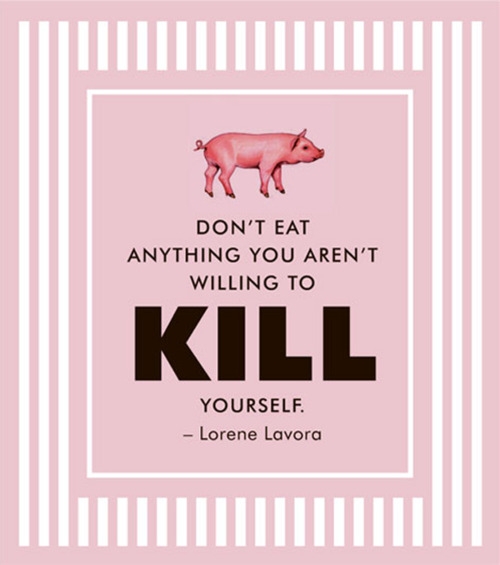
  • Animal Cruelty: Don’t worry, I am not going to go all PETA on you and post gross pictures of suffering cows. I will however just post this…


         Personally, I grew up on a farm and have participated in the butchering of chickens and                        witnessed my “pet” cow be butchered. His name was White Sox. My parents lied to me when I            asked over a  dinner of steaks shortly after his butchering if I was in fact eating White Sox.                 They assured me that they had in fact traded in White Sox’s meat for that of another cow’s. Did            this scar me and cause me to become a vegetarian? Nope.
  • Cheaper: This one is probably not a shocker; fruits, vegetables, eggs, legumes, etc are cheaper than meat. That is unless you buy everything organic but for more info on that check out my previous post.
  • To annoy people: Just kidding at least this is probably not the case in most instances but I cannot speak for all vegetarians.


So….What do you eat?
Contrary to popular belief, I don’t just eat salads; I said I was a vegetarian, not a rabbit.  I eat anything that doesn’t contain meat. Instead of focusing on what I can’t eat, let’s rephrase the question to what I can eat. Obviously this includes fruits and vegetables, but also eggs, cheese, legumes (beans), nuts, seeds, grains, tofu (no vegetarians do not eat this as much as people tend to think that they do), and so on and so forth. I think why people can’t seem to get past the “what do you eat” question is because Americans place so much focus on meat being the golden child of every meal. With that being said, I would like to share you with a video that I found highly entertaining about If Vegans Said Stuff Meat Eaters Said... 


Vegetarianism…the wrong way
Now, some foods are naturally vegetarian like chips, cookies, cake, French fries, etc. I mean Cookie Monster is technically a vegetarian...


That’s not quite the way one should do vegetarianism. Since vegetarians eliminate meat and other animal products there are some minor nutritional concerns. One of the most prevalent questions that I get is where I get my protein from. Getting enough protein is the least of my worries. There are eggs, soy, dairy, nuts, legumes, seeds, and yes even fruits and vegetables contain some protein as well.
Things to be more mindful of include: iron, vitamin D, vitamin B12 (especially if you are vegan), and calcium (again especially if you are vegan). However, vitamin D you can get from the sun and it is fortified in other foods and iron is found in plenty of non-animal sources such as spinach and raisins.

Breaking it down
I am not going to preach that everybody should be a vegetarian. I only ask that you be more cognizant of what you are eating and of course for you all to eat more fruits and vegetables. Now, I may be weird, but it is not because I am a vegetarian. Maybe it’s from the emotional scarring of eating my pet cow; I don't know but I am working with my therapist on that one :) For more information on vegetarianism that isn’t too off the wall or biased, check out The Vegetarian Resource Group. Now if you will excuse me, I need to go do my part to prevent watermelons and other fruits and vegetables from taking over the world. Until next time!

Keep it Fresh,
Keep it Green,


Beth
Wednesday, February 11, 2015

Bless Your Heart: Heart Healthy Foods


February is National Heart Awareness Month, which is why you may have noticed these red dresses all around campus and Charlotte, that is if you haven’t been in a daze due to your seasonal depression…


If you were like me and were wondering why we should only go red for women and not men, it is because heart disease is the number one killer of women in the U.S., not because men don’t have hearts.

What is heart disease?
The term “heart disease” refers to several types of heart conditions. The most common type is coronary heart disease, which can lead to a heart attack, angina (chest pain), heart failure, and death. The only good thing about heart disease is that it is both preventable and controllable. I guess maybe the second good thing is that heart disease, unlike ebola, it is not contagious so don’t sweat it the next time the person on the bus next to you coughs on you; you will be fine…in terms of not catching heart disease anyways.

How can I prevent heart disease?
I am sure that is the burning question on your mind right now…well unless you are a fellow Kardashian fan such as myself.  Anyways, I can only help you out with the heart disease question. Now prepare yourself for this “groundbreaking” news on how you can prevent heart disease. Are you ready for it?!? Here goes…eat healthy, exercise, and avoiding tobacco products! Mind blown?


Ok so probably not, but you may be wondering what foods you can eat to help out the old ticker. Well, it is your lucky day!

Heart Healthy Foods…
Contrary to popular belief, there is more to this than just eating your fruits and vegetables. Some of the qualities that make food heart healthy include: low in saturated fat, trans fat, cholesterol, and salt/sodium. Also, foods high in fiber, antioxidants, and omega-3s are good for the heart as well.

…In Lay Terms
Now I don’t expect most people to automatically know what foods to eat based on the above paragraph so let me lay it out for you.
  • Salmon and Tuna: Good source of omega-3s and lower in saturated fat than red meat. 
  • Chicken: If you are going to have meat and are not fond of seafood, you could swap out red meat for chicken. Chicken is leaner, containing less fat than red meat.
  • Legumes (aka beans):If you wanted to really take it to heart (yes, corny pun I know) you could swap meat for legumes, which contain no fat and are high in fiber. 
  • Whole Grains: Oatmeal, whole wheat bread, whole-wheat pasta, brown rice, quinoa, etc. Whole grains are a good source of fiber, which helps the old ticker deal with cholesterol.
  • Fruits & Vegetables: This shouldn’t be much of a shocker to you. Fruits and vegetables are a good source of fiber, vitamins, minerals, and antioxidants. With the exception of the avocado, they contain no fat. . Yes avocados do contain fat, but it is the good type of fat and packs some omega-3s.
  • Nuts & Seeds: Nuts, especially walnuts and almonds, are a good source of fiber, protein, and omega-3s. Side bar: Flax seeds do contain omega-3s but your body cannot digest the seed (read: you do not absorb any of the omega-3s) so make sure you grind them.
Foods to Avoid
  • Salty Foods: Processed foods, deli meats, canned vegetables and soups, frozen meals, and pizza are just a few of the usual suspects that contain a lot of sodium, which can increase your blood pressure.
  • Red Meat: Red meat is higher in saturated fat and cholesterol so opt for seafood or poultry. Perhaps you could even be a “hippy” for a meal and skip the meat!
  • Alcohol: Not only can alcohol lead to poor food (and life) decisions, but can also increase your blood pressure, which makes your heart work a little harder
  • Caffeine: Have you ever downed one too many cups of coffee, espresso, or energy drinks and started having chest pains, making you feel like your heart is going to beat out of your chest? Yeah, that’s not good. Needless to say lots of caffeine is not the best thing for your heart.
“I read that chocolate is good for your heart”
Before you dig into that chocolate cake or candy bar, let me enlighten you. While there have been some recent studies that have shown benefits to eating chocolate and heart health, it is not that simple. To start with, it is not just any type of chocolate, but dark chocolate with about 70% cocoa content. The cocoa adds more antioxidants, which are the main players in chocolate that benefits the heart. You know what else is high in antioxidants? Fruits and vegetables. Anyways, chocolate, even dark chocolate, does contain sugar and fat so it is best to consume in moderation.


“What about olive oil?”
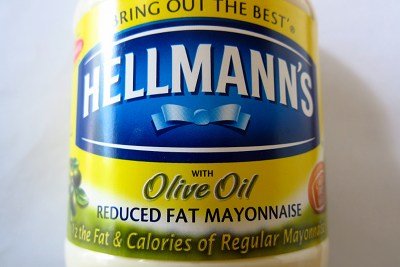
Olive oil is good for your heart in that it contains the good type of fat and omega-3s. Does that mean you should add a ton of it to whatever dish you are making? No! Along those same lines, just because olive oil is added to something does not make that product any better/healthier. Case in point (see below): Yes, this mayonnaise has olive oil in it but it is still mayonnaise, which is high in fat (not the good kind of fat either).


Until next time! Oh and…


Keep it Fresh,
Keep it Green,

Beth